IBPS Clerk Ex-Servicemen Work Culture 2026: Bank Environment, Duties & Employee Life
Quick Overview
Practice free quizzes, mock tests, current affairs and exam-wise preparation resources on ExamTune.
IBPS Clerk ESM Work Culture Guide 2026 PDF
Download the IBPS Clerk ESM Work Culture Guide 2026 PDF to understand the bank working environment, daily responsibilities, customer service, teamwork, professional conduct and adjustment tips for Ex-Servicemen.
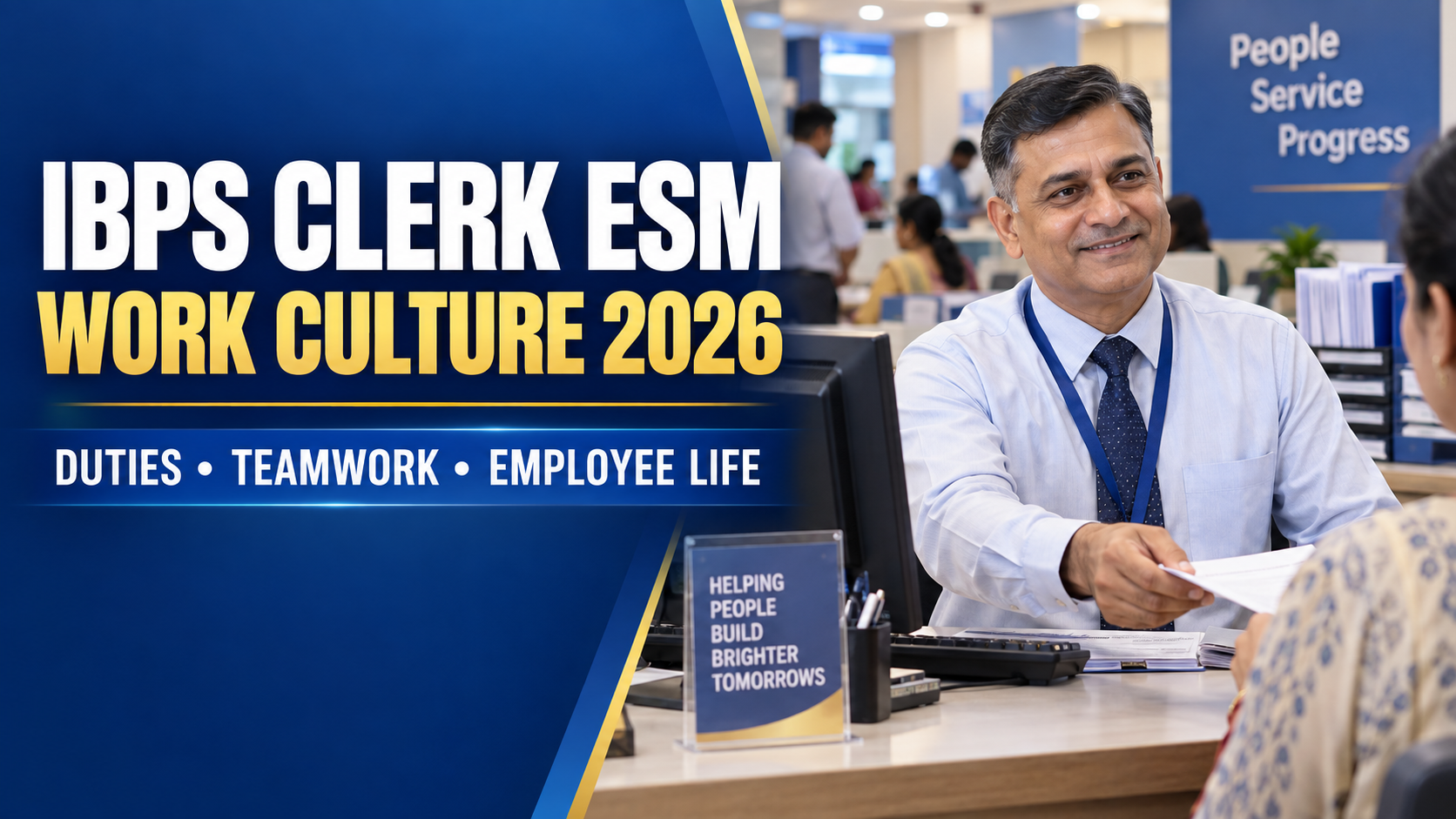
The IBPS Clerk ESM Work Culture 2026 is an important topic for Ex-Servicemen planning to begin a second career in a Public Sector Bank. After years of disciplined military service, many candidates want to understand the bank working environment, customer interaction, daily responsibilities and professional behaviour expected from a Customer Service Associate.
A bank branch operates in a regulated, technology-enabled and customer-oriented environment. Employees must maintain accuracy, confidentiality, teamwork and compliance while providing banking services. Ex-Servicemen can use their discipline, responsibility and ability to work under pressure while developing banking-specific knowledge and customer-service skills.
This guide explains the complete IBPS Clerk ESM Work Culture 2026, including the working environment, indicative duties, teamwork, customer service, workplace challenges and practical adjustment tips.
IBPS Clerk ESM Work Culture Overview
| Particular | Details |
|---|---|
| Recruitment | IBPS Clerk 2026 |
| Official Post Name | Customer Service Associate |
| Candidate Category | Ex-Servicemen |
| Workplace | Participating Public Sector Bank |
| Work Environment | Customer Service and Banking Operations |
| Working Style | Professional, Regulated and Team-Based |
| Important Skills | Accuracy, Communication, Confidentiality and Digital Skills |
| Official Recruitment Source | IBPS CRP CSA-XVI |
What Is the Work Culture of an IBPS Clerk?
The work culture of a Customer Service Associate focuses on professional conduct, accurate banking operations, customer service, teamwork and compliance with the employing bank’s policies.
Employees may interact with customers, process authorised service requests, maintain records and coordinate with officers or managers. Every transaction must be handled according to the employee’s assigned authority and the bank’s current procedures.
Important: IBPS conducts the common recruitment process, but the participating bank becomes the employer. Therefore, exact duties, working hours, counter assignment, transfers, leave and employee benefits may differ between banks and branches.
Bank Working Environment
Public Sector Bank branches use Core Banking and authorised digital systems to provide services. The environment may involve customer-facing counters, document verification, transaction processing, record maintenance and time-bound operational work.
- Professional office environment.
- Technology-enabled banking operations.
- Regular interaction with customers.
- Team-based branch functioning.
- Authorised operational and approval procedures.
- Customer-data confidentiality requirements.
- Daily records and reconciliation work.
- Continuous learning about banking services.
Daily Duties of an IBPS Clerk
A Customer Service Associate may perform different clerical, operational and customer-service duties. The exact assignment depends on the bank, branch, employee training and delegated authority.
Indicative responsibilities may include:
- Assisting with account-opening requests.
- Receiving and checking applicable KYC documents.
- Processing deposits or withdrawals when authorised.
- Cheque, clearing and remittance-related work.
- Passbook, statement and account-update assistance.
- Helping customers use approved digital-banking services.
- Maintaining records and supporting documents.
- Following up on pending service requests.
- Answering customer queries within assigned authority.
- Forwarding complaints or exceptions to the appropriate officer.
- Completing assigned reconciliation and closing activities.
Not every employee performs every duty. Cash handling, authorisation and sensitive operations require bank-specific training, controls and approval.
For example, the CSA duties published by AIBEA distinguish entering account-opening and KYC details from supervisory verification and approval. A CSA may also enter NEFT/RTGS remittance details, while authorisation and responsibility remain with supervisory staff.
Customer Service in Bank Work Culture
Customer interaction is an important part of the CSA role. Employees may assist senior citizens, pensioners, account holders, business customers and people who are unfamiliar with digital banking.
Good customer service includes:
- Listening carefully before providing a response.
- Using polite and easy-to-understand language.
- Explaining authorised procedures clearly.
- Avoiding unrealistic promises about approval or resolution.
- Protecting personal and account information.
- Directing unresolved complaints to the correct channel.
- Remaining calm during customer rush or disagreement.
Read the detailed IBPS Clerk Ex-Servicemen Customer Handling Guide for practical communication and complaint-handling tips.
Teamwork in Banking Operations
A branch functions through coordination among Customer Service Associates, officers, managers and authorised support personnel. Employees must communicate pending work, operational exceptions and customer issues to the appropriate person.
Effective teamwork requires:
- Following the reporting structure.
- Respecting assigned roles and authority limits.
- Sharing relevant work information accurately.
- Completing assigned work within the required time.
- Seeking guidance before processing unfamiliar cases.
- Supporting colleagues during heavy customer traffic.
- Using official escalation channels.
Why Ex-Servicemen Can Adjust Effectively
Ex-Servicemen often possess qualities that can be useful in a professional banking environment. However, previous defence experience does not replace the need to learn bank-specific systems and customer-service practices.
Transferable qualities include:
- Discipline and punctuality.
- Responsibility and integrity.
- Ability to follow procedures.
- Team coordination.
- Calmness under pressure.
- Time-management ability.
- Commitment to assigned duties.
- Willingness to accept responsibility.
New Skills Ex-Servicemen Need in Banking
The banking workplace differs from the Armed Forces in terms of customer expectations, commercial services, digital systems and civil office communication.
Important learning areas include:
- Core Banking and internal applications.
- Banking products and customer services.
- KYC and Anti-Money Laundering procedures.
- Customer-data confidentiality.
- Digital banking and cybersecurity awareness.
- Written communication and email etiquette.
- Customer complaint escalation.
- Bank-specific operating procedures.
Professional Behaviour Expected from IBPS Clerks
Every Customer Service Associate is expected to maintain professional conduct while dealing with customers, colleagues and confidential banking information.
- Report to work according to the bank’s schedule.
- Communicate respectfully with customers and colleagues.
- Verify entries and documents carefully.
- Maintain customer and bank confidentiality.
- Follow the bank’s dress and workplace policies.
- Do not exceed assigned authority.
- Avoid unauthorised promises or personal commitments.
- Report errors, suspicious activities and exceptions promptly.
- Follow current compliance and security instructions.
Customer Confidentiality and Data Security
Bank employees handle personal, financial and identity-related information. Such information must only be accessed and used for authorised official work.
Important security practices include:
- Never sharing system passwords or authentication credentials.
- Locking the workstation when leaving the desk.
- Using only authorised software and communication channels.
- Not discussing customer information with unauthorised persons.
- Verifying documents according to current KYC procedures.
- Immediately reporting suspicious transactions or security incidents.
Employees should follow the current instructions of their bank and the applicable RBI KYC Directions.
Managing Work Pressure and Customer Rush
Salary days, pension dates, government-scheme deadlines and holiday periods may increase customer traffic. Employees must balance speed with accuracy instead of processing transactions carelessly.
CSAs may also help acquire business and explain digital, banking or loan products. The published CSA duties place this activity within office hours and without assigned targets. Separate exclusive marketing assignments are covered by bank-level guidelines; do not treat this clause as a blanket exemption from all assigned work or performance expectations.
- Prioritise work according to branch instructions.
- Use an authorised checklist for complex processes.
- Avoid rushing through verification steps.
- Escalate system or transaction problems promptly.
- Keep pending-work records properly updated.
- Communicate realistic service timelines.
See the IBPS Clerk Ex-Servicemen Time Management Tips for managing branch duties efficiently.
Common Workplace Challenges for Ex-Servicemen
Some Ex-Servicemen may require time to adjust to a customer-oriented banking environment. Common challenges may include:
- Learning unfamiliar banking software.
- Understanding products and operational terminology.
- Managing demanding or impatient customers.
- Adapting to a new organisational hierarchy.
- Balancing accuracy with service speed.
- Understanding bank-specific leave and transfer rules.
- Adjusting previous seniority expectations to a new role.
These issues can be managed through induction training, regular practice, guidance from authorised seniors and continuous learning. Read the complete IBPS Clerk Ex-Servicemen Workplace Challenges Guide.
Employee Learning and Career Growth
A Public Sector Bank career offers opportunities to develop knowledge of banking operations, customer service, compliance and digital systems. Career progression depends on the employing bank’s promotion policy, eligibility rules, examinations, performance, experience and available vacancies.
Employees can improve their professional growth by:
- Maintaining accuracy and service quality.
- Learning new banking systems and products.
- Completing mandatory training programmes.
- Improving communication and digital skills.
- Following compliance and security requirements.
- Preparing for applicable internal promotion processes.
Tips for a Smooth Transition into Banking
- Attend induction and system training carefully.
- Understand the branch reporting structure.
- Learn the limits of your assigned authority.
- Ask an authorised senior before handling an unfamiliar exception.
- Maintain a work checklist without recording confidential information.
- Accept feedback and correct mistakes promptly.
- Use polite language even during difficult interactions.
- Review pending tasks before completing the workday.
- Keep learning about digital banking and fraud prevention.
Useful IBPS Clerk Ex-Servicemen Resources
- IBPS Clerk Ex-Servicemen Customer Handling Tips
- IBPS Clerk Ex-Servicemen Workplace Challenges
- IBPS Clerk Ex-Servicemen Time Management Guide
- IBPS Clerk Ex-Servicemen Salary and Benefits
- IBPS Clerk Ex-Servicemen Posting and Transfer Rules
- IBPS Clerk Ex-Servicemen Documents Required
IBPS Clerk ESM Work Culture 2026: Conclusion
The IBPS Clerk ESM Work Culture 2026 combines professional conduct, customer service, teamwork, operational accuracy, confidentiality and continuous learning. Ex-Servicemen can use their discipline, responsibility and ability to work under pressure while adapting to banking technology and customer-oriented communication.
Exact duties and employment conditions differ across participating banks. Therefore, employees should always follow the current instructions, authority structure and operating procedures of their employing bank.
Popular Online Live Classes


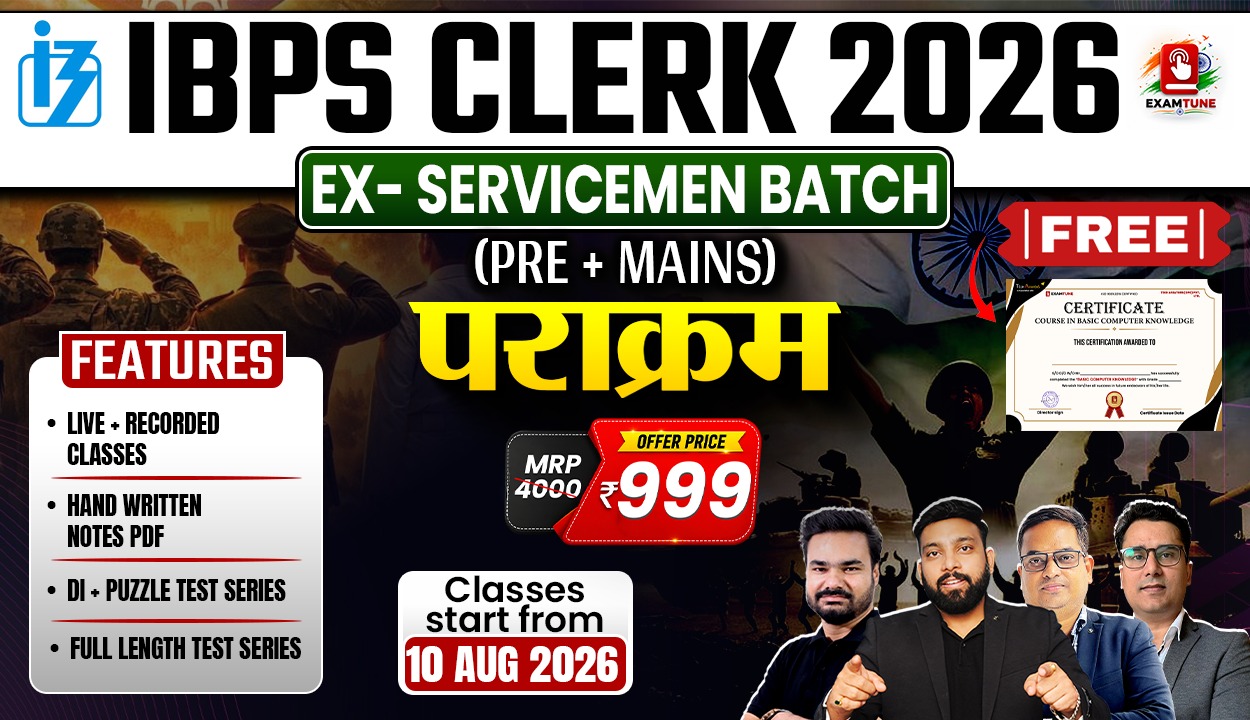
Ex-Servicemen IBPS Clerk 2026 Parakram Batch | IBPS Clerk Pre + Mains Course
Frequently Asked Questions
What is the work culture of an IBPS Clerk?
The work culture focuses on customer service, accurate banking operations, teamwork, confidentiality and compliance with the employing bank’s procedures.
What is the official post name of IBPS Clerk?
The official post is called Customer Service Associate under the IBPS common recruitment process.
What are the daily duties of an IBPS Clerk?
Indicative duties may include customer assistance, account-related requests, KYC documentation, cheque processing, passbook services, record maintenance and transaction support when authorized.
Do all IBPS Clerks perform cash-counter duties?
No. Cash duties depend on the bank, branch requirements, employee training and assigned authority.
Is an IBPS Clerk job suitable for Ex-Servicemen?
Ex-Servicemen can use discipline, teamwork and responsibility in banking, but they must also learn digital systems, customer service and bank-specific procedures.
Is the work culture the same in every Public Sector Bank?
No. General banking standards are similar, but exact duties, timings, transfers, leave and internal procedures can differ between banks and branches
Is an IBPS Clerk job customer-facing?
Many CSA assignments involve regular customer interaction, although the level of customer-facing work depends on the assigned desk and branch requirements.
What skills should Ex-Servicemen learn after joining a bank?
They should learn Core Banking systems, KYC procedures, digital banking, customer communication, data confidentiality and complaint escalation.
Is there career growth after joining as an IBPS Clerk?
Career growth may be available according to the employing bank’s promotion policy, eligibility requirements, examinations, performance and vacancies.
How can an Ex-Serviceman adjust to banking work culture?
A smooth transition requires induction training, regular system practice, respectful customer communication, guidance from seniors and continuous learning.
About the Author

Practice free quizzes, mock tests, current affairs and exam-wise preparation resources on ExamTune.